Africa's Economic Future: How a $170 Billion BRICS Plan is Shifting Development
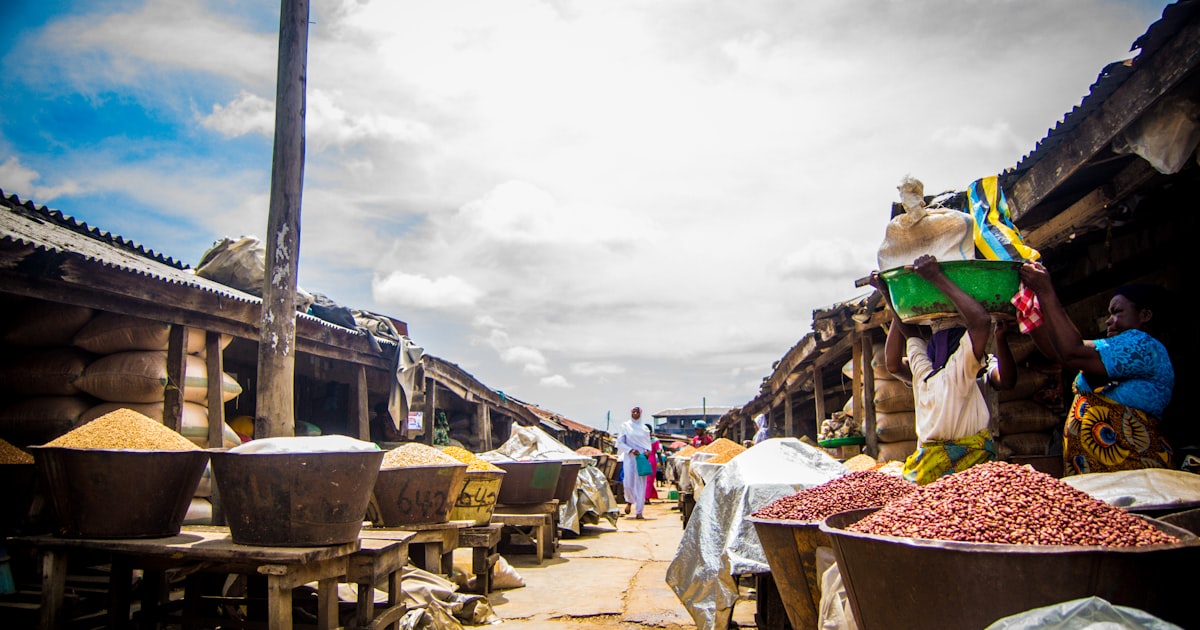
A massive $170 billion investment plan is now underway across Africa, spearheaded by the BRICS alliance. This significant financial commitment, focusing on critical sectors like infrastructure, energy, and digital connectivity, signals a notable shift in how global development partnerships are being forged across the continent. It's a move that could redefine Africa's economic trajectory and its standing in the broader Global South.
Beyond Traditional Aid: A New Investment Model
For decades, development in Africa often relied heavily on traditional aid models. However, the BRICS alliance, comprising Brazil, Russia, India, China, and South Africa, along with new members like Egypt, is introducing a different approach. Their $170 billion investment strategy aims to unlock Africa's vast potential by upgrading essential infrastructure, modernizing agricultural zones, and expanding energy and digital networks.
This isn't just about providing funds; it's about fostering economic transformation. The New Development Bank (NDB), often called the BRICS Bank, plays a crucial role here, offering alternative funding options that move away from Western-dominated financial systems. According to Monale Ratsoma, Director General of the NDB's Africa region center, the bank's projects are already making an impact in member states and beyond, with a wider vision for Africa.
Economic Leverage and De-dollarization Efforts
The expansion of BRICS, which now represents over 35% of global GDP and 45% of the world's population, is strengthening the bargaining power of the Global South in trade and finance negotiations. This growing influence is also driving efforts to reduce reliance on the U.S. dollar in cross-border trade, with initiatives promoting local currency settlements.
For African nations, this means a potential increase in trade opportunities for value-added goods, moving beyond the export of raw commodities. Busi Mabuza, chairperson of the South African BRICS Business Council, highlighted this, stating that BRICS+ could serve as a platform to capitalize on opportunities for the continent as a whole. This focus on industrialization and value chains is critical for sustainable growth.
Impact on Egyptian Americans and the Global South
As an Egyptian American, you might wonder how these large-scale shifts affect you and your community. Egypt's successful entry into BRICS in 2023 demonstrates how this alliance can transform African nations through infrastructure financing and reduced dollar dependency. This means new avenues for trade and investment between Egypt and other BRICS nations, potentially creating business opportunities for Egyptian-American entrepreneurs looking to engage with the African market.
The emphasis on infrastructure, digital connectivity, and industrialization across Africa could also lead to more stable economies and job creation in your home countries, indirectly benefiting families through improved economic conditions and remittance stability. Understanding these evolving global partnerships is key to navigating future economic landscapes and identifying new opportunities for engagement and growth within the Global South.
📋 Sources & References
- Binance News — Report on BRICS 2026 expansion and de-dollarization efforts.
- African Business — Expert analysis on BRICS expansion and its trade opportunities for Africa.
- YouTube: BRICS $170 Billion Africa Plan — Video discussing the BRICS investment strategy in Africa.
- CryptoRank — Article on BRICS expansion, including Egypt's entry and impact on African nations.

editor
Senior political analyst covering the Middle East and North Africa. With over 15 years of experience in international affairs, Nour specializes in U.S. immigration policy, diplomatic relations, and political developments across the MENA region. Previously contributed to Al Jazeera English and Middle East Eye.


