Private investment in Africa's clean energy reaches $40 billion amid distribution challenges

Ever thought about Africa's energy future? Forget what many people assume. The continent isn't just brainstorming clean energy anymore; it's building a revolution right now, fundamentally reshaping economies and futures at a breathtaking pace. This isn't just about kilowatts; it's about empowerment, opportunity, and the very stability of millions – perhaps even for your own family back home.
The Unstoppable Surge: Why Africa's Energy Game Just Changed Forever
Let's talk numbers because they tell a powerful story. Private investment in clean energy across Africa has utterly exploded. We're talking a massive leap from roughly $17 billion in 2019 to nearly $40 billion in 2024. That's more than double in just five years!
And it's not just giant power plants. Think smaller, impactful systems too: distributed solar for homes and businesses are growing just as quickly. This means more reliability for everyday life.
Just last year, in 2025, Africa added an astounding 4.5 gigawatts of new solar capacity. That's a huge 54% increase compared to the previous year! Nations like South Africa, Nigeria, and yes, our very own Egypt, are truly leading the charge.
This growth isn't limited to a few players. Ten African nations crossed the 100 MW annual installation mark in 2025, doubling the number from a year earlier. This means more communities are finally getting reliable, affordable power, changing lives and opening doors.
How This Energy Revolution Powers Your Family's Future (And Your Wallet)
a small business owner in a bustling African city. For years, they’ve battled unreliable electricity, forcing them to rely on expensive, noisy, diesel generators. Now, solar power offers the cheapest, most accessible energy option.
They can invest in rooftop panels, slash their operating costs, and finally focus on growing their business without constant power worries. This isn't just about going green; it's about massive economic empowerment and stability for millions.
This huge push for clean energy is also critical for bigger development goals. The UN Global Compact’s Africa Strategy for 2024-2025, for example, aims to align private sector actions with the Sustainable Development Goals and the African Union’s Agenda 2063. It's about energy, yes, but also about making it easier to do business and thrive.
Africa has around 60% of the world's best solar resources, yet it receives only about 2% of global clean energy investment.
That quote right there? It highlights an incredible truth and sets up a massive challenge. Africa has the raw potential in spades, but something's clearly holding it back from reaching its full potential.
But Here's the Massive Hurdle Few Have Noticed
Here’s the catch, and trust us, it’s a big one. Despite all this incredible potential and booming growth, Africa faces a colossal financing hurdle. Remember that stat? Only about 2% of global clean energy investment flows into Africa, even with its staggering 60% share of the world’s best solar resources.
Why this huge disconnect? Because the cost of financing these vital energy projects in many African countries can be three to five times higher than what investors pay in developed markets. Imagine that impact on a project's viability!
This isn't just a technical or bureaucratic issue; it's a huge barrier that slows down vital progress and keeps millions from accessing the reliable, affordable energy they desperately need. It impacts everything from healthcare to education.
Recent high-level discussions, like those at the Africa Forward Summit in May 2026, are highlighting a crucial shift. We're moving away from traditional aid models towards mobilizing private investment and guarantees. This fresh approach is absolutely vital, but overcoming that stubbornly high cost of capital remains the real, tough challenge.
📌 What to Watch For
- Stay Informed: Keep an eye on the clean energy sector in Africa, especially investment opportunities and policy changes in countries like Egypt.
- Engage Your Network: Discuss these developments with your friends and family, both here and back home. Diaspora engagement can be a powerful force!
- Consider the Future: Think about how Africa's energy transformation might impact potential investments or business ventures you or your family might pursue.
So, What Happens Next? And Can We Really Bridge the Gap?
Africa's economic future looks bright, with real GDP projected to grow by over 4% in 2026 and 2027 – outpacing global rates! This clean energy revolution isn't just a part of that story; it's a driving force.
But here’s the crucial question that affects us all: can global partners and financial institutions finally step up to bridge this gaping financing divide? Can they ensure Africa’s incredible renewable energy potential truly powers its future, unlocking prosperity for everyone?
Or will the continent continue to build its future with one hand tied behind its back? The answer is shaping up, and it directly affects your family, your heritage, and the global economy we all share.
📋 Sources & Official Resources
- World Bank — Africa Region
- African Development Bank
- African Union — Continental development data
- UN Economic Commission for Africa
editor
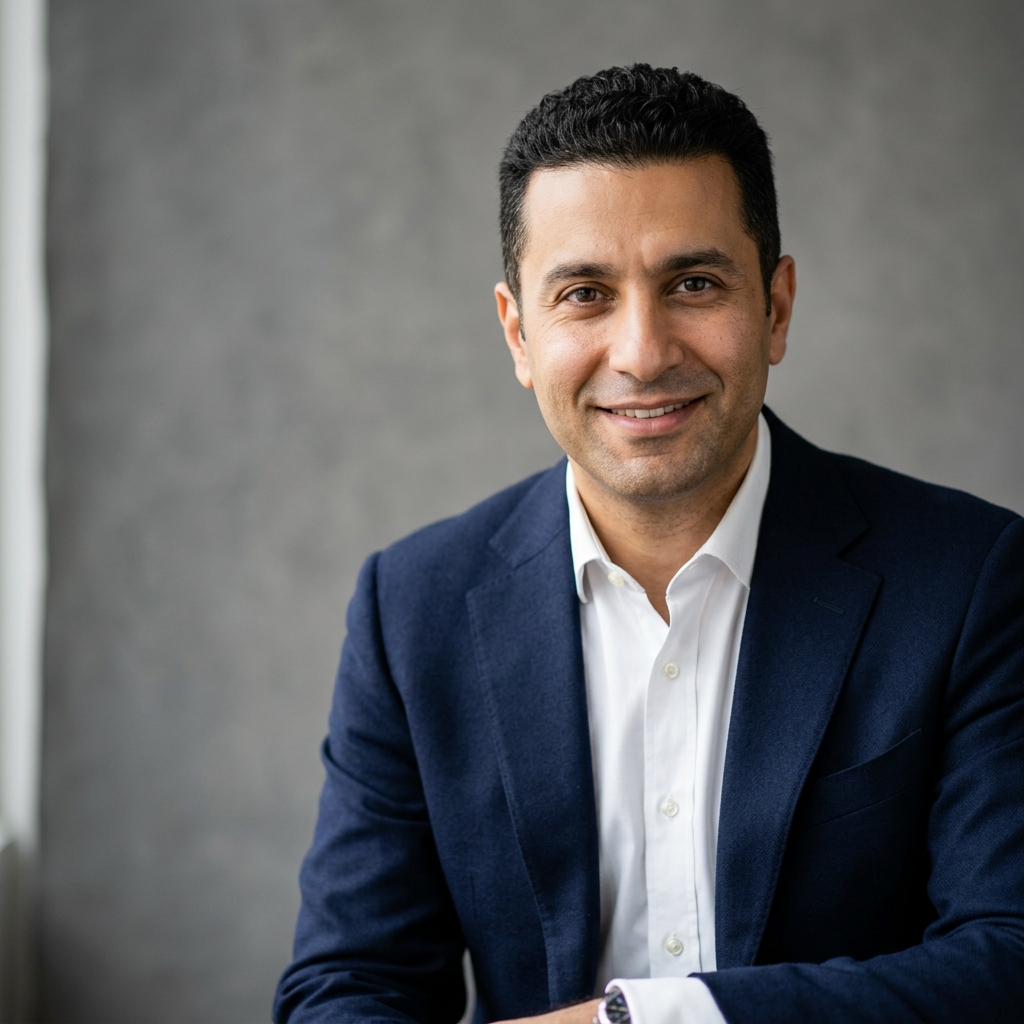
Senior political analyst covering the Middle East and North Africa. With over 15 years of experience in international affairs, Nour specializes in U.S. immigration policy, diplomatic relations, and political developments across the MENA region. Previously contributed to Al Jazeera English and Middle East Eye.


