6 Billion People Live Where Debt Payments Outstrip Health Budgets

Consider this: a world where your government spends more money paying off old debts than it does on keeping you and your family healthy. For a staggering 6 billion people across the Global South, this isn't a hypothetical scenario – it's their daily reality.
The Hidden Cost of Borrowing
Developing nations, often referred to as the Global South, are caught in a financial trap. They're collectively shelling out an astounding $8 trillion every year just to service their debts. Think about that for a second: an average of 35% of their entire government spending goes straight to creditors. This isn't just a number; it's a direct drain on resources that could be building schools, hospitals, or vital infrastructure.
Why Green Energy is Pricier for Africa
Here's where it gets even tougher: when these countries try to invest in their future, like building clean energy projects, they face a massive uphill battle. Renewable energy projects in Africa, for instance, often see financing costs that are two to four times higher than similar projects in Europe or North America. Why? A big part of it is a financial rule called the "sovereign ceiling." It essentially ties the creditworthiness of a project to the overall credit rating of the country it's in. So, even a rock-solid solar farm in Kenya can look "risky" to international investors just because of where it's located on the map. This rule alone costs African countries up to $74.5 billion annually in higher borrowing costs and lost investment opportunities.
"Six billion people are living in countries where spending on debt service is higher than the annual health budget."
A Human Toll: What This Means for Families
Here is the reality: a family in a developing nation needs access to better healthcare, but the funds are simply not there. This isn't an exaggeration. The UN recently highlighted that 6 billion people live in countries where the money spent on debt servicing is actually more than their entire annual health budget. This financial squeeze means less money for essential services, less investment in climate adaptation to protect communities from extreme weather, and fewer opportunities for economic growth that could lift families out of poverty. It's a cycle that keeps millions vulnerable and holds back progress.
The UN's Urgent Call for Change
The international community is starting to recognize the severity of this crisis. UN Secretary-General António Guterres has repeatedly called for urgent intervention, warning that the world faces "the worst ever debt-provoked development crisis." He's pushing for a fundamental reform of the global financial architecture, including debt restructuring for the hardest-hit countries and halving borrowing costs for those needing market access. A new report suggests that cutting debt servicing costs could free up a staggering $900 billion a year for development.
The underlying issue now is whether the world's leaders will find the political will to make these crucial reforms, or if billions will continue to pay the price for a broken system.
📋 Sources & Official Resources
- World Bank — Global development data
- World Health Organization — Global health policy and disease monitoring
- International Monetary Fund — Debt sustainability reports
- UNCTAD — Trade and development analysis
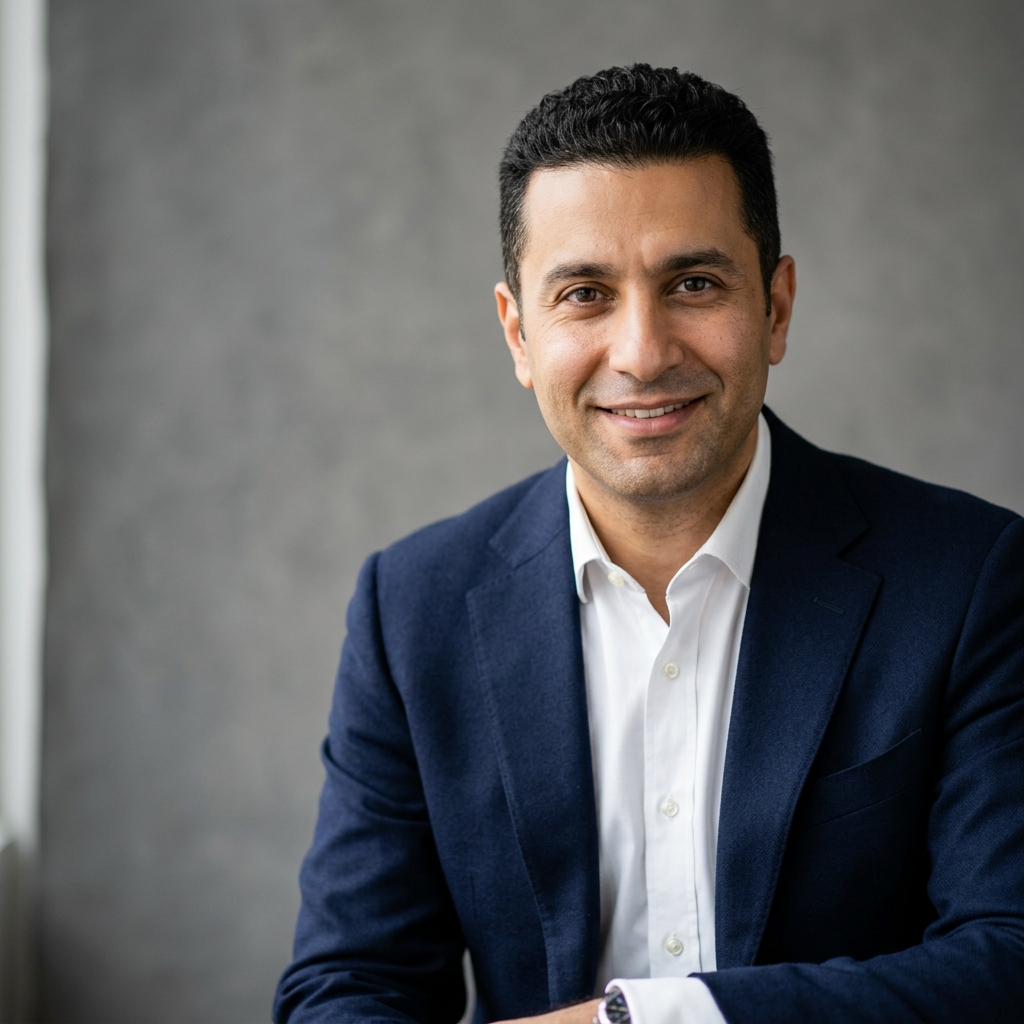
editor
Senior political analyst covering the Middle East and North Africa. With over 15 years of experience in international affairs, Nour specializes in U.S. immigration policy, diplomatic relations, and political developments across the MENA region. Previously contributed to Al Jazeera English and Middle East Eye.


