The Quiet Diplomacy Reshaping US-Iran Relations

In a surprising turn that could redefine the geopolitical landscape of the Middle East, the United States and Iran are on the cusp of finalizing a comprehensive peace deal, signaling a potential end to years of fraught relations and regional proxy conflicts. This landmark agreement, reportedly brokered through extensive multilateral diplomacy, is slated for an official signing ceremony on June 19 in Switzerland.
A Breakthrough Agreement on the Horizon
The memorandum of understanding between Washington and Tehran, facilitated by a coalition of mediating parties including Pakistan, Qatar, Egypt, Türkiye, Saudi Arabia, and Oman, aims to achieve the immediate and permanent termination of military operations across all fronts, notably in Lebanon. President Trump has indicated that the deal also includes Iran's commitment to forgo nuclear weapons and will lead to the immediate reopening of the crucial Strait of Hormuz, a vital global shipping lane.
This development follows weeks of intense negotiations during a shaky truce, which, despite quelling major hostilities, still saw significant military exchanges and regional flare-ups. The agreement is seen as a crucial step towards establishing parameters for further diplomacy and ending a conflict that has inflicted considerable damage across the Middle East.
Regional Implications and Challenges
The potential US-Iran accord carries profound implications for regional stability, particularly concerning the ongoing situation in Gaza and the escalating tensions between Israel and Hezbollah in Lebanon. While the deal seeks to terminate military operations in Lebanon, Israeli Prime Minister Benjamin Netanyahu has reportedly informed President Trump that Israel does not consider itself obligated to withdraw its troops from Lebanon.
“This could be the beginning of a long and beautiful peace — Let's not blow it!” – President Trump
The broader regional context reveals a complex tapestry of shifting alliances and pragmatic engagements. Even as Arab states publicly condemned Israel's actions in Gaza, leaked documents from 2025 indicated a deepening, behind-the-scenes military cooperation between several Arab nations and Israel, particularly in air defense against Iran, facilitated by CENTCOM in 2024. This highlights a nuanced approach by regional actors, balancing public solidarity with strategic security interests.
Looking Ahead: A New Regional Architecture?
The impending US-Iran peace deal, if fully implemented, could pave the way for a new security architecture in the Gulf, one based on respect for sovereignty, non-interference, and enhanced multilateral cooperation. However, the path forward remains fraught with challenges, as the region grapples with entrenched conflicts and the need to rebuild trust among diverse stakeholders. The success of this diplomatic endeavor will hinge on sustained commitment from all parties and a willingness to navigate the intricate web of regional rivalries and aspirations.
📋 Sources & Official Resources
- U.S. Department of State — Official statements
- Reuters — Middle East
- Associated Press — Iran coverage
- UN Security Council — Resolutions and reports
editor
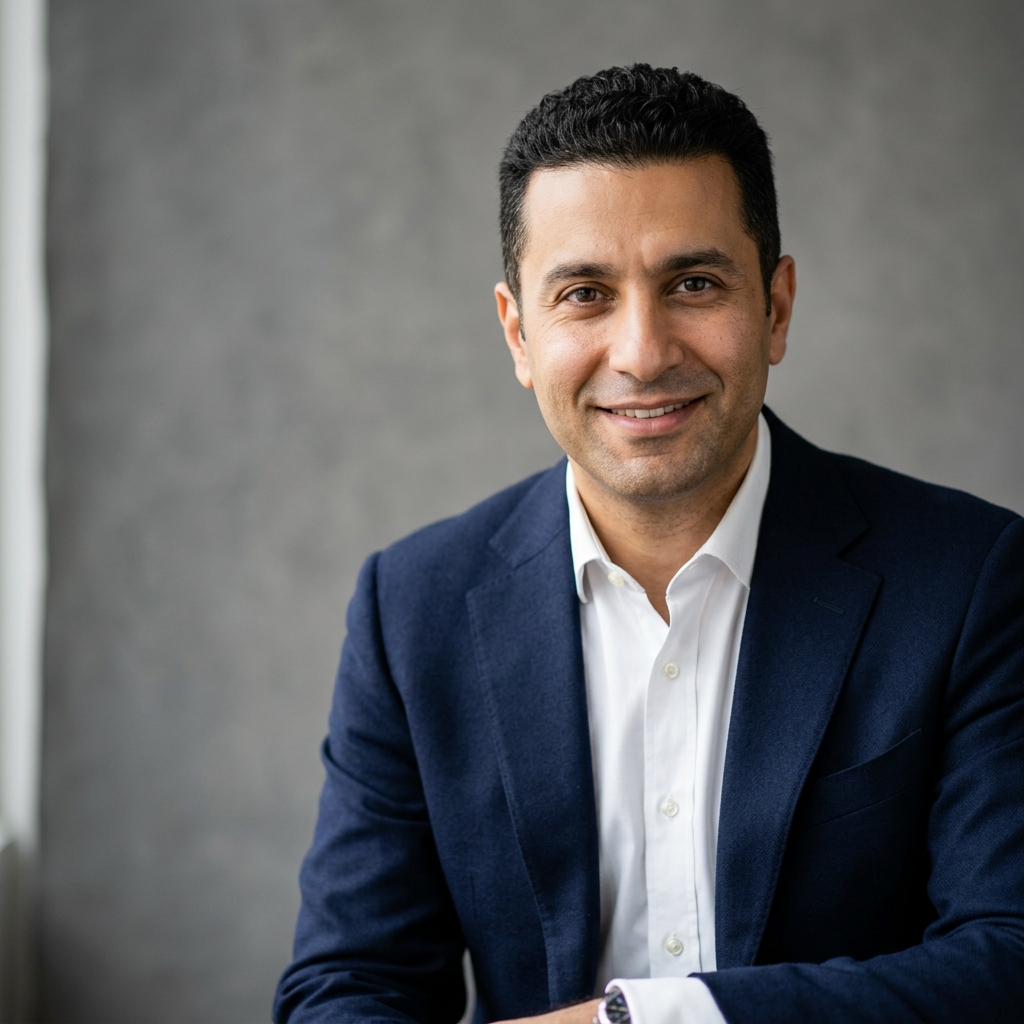
Senior political analyst covering the Middle East and North Africa. With over 15 years of experience in international affairs, Nour specializes in U.S. immigration policy, diplomatic relations, and political developments across the MENA region. Previously contributed to Al Jazeera English and Middle East Eye.


