World
4 min read
US and Iran Seek Extended Ceasefire, Reshaping Regional Diplomatic Landscape
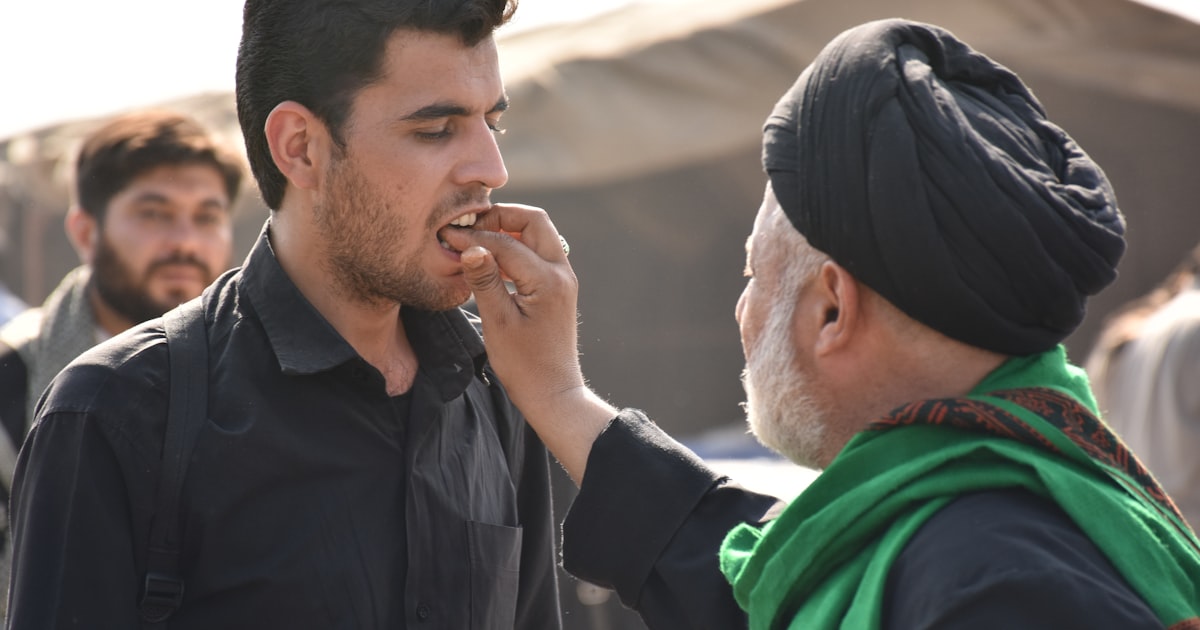
ReportThe United States and Iran are reportedly close to a tentative agreement to extend their current ceasefire for 60 days, aiming to reopen the vital Strait of Hormuz and initiate new nuclear talks. This development follows a period of active warfare that began in February 2026, marking a potential shift towards de-escalation in a critical part of the Middle East.
This diplomatic push comes after a period of heightened tensions and military strikes. US President Donald Trump, speaking at the America's 250 kickoff celebration, asserted that US military strikes had compelled Tehran back to the diplomatic table. However, Iranian Revolutionary Guard Corps Commander Ahmad Vahidi offered a sharply different perspective, stating, "We brought President Trump to his knees. We got what we wanted." This divergence highlights the delicate nature of these ongoing discussions.
The humanitarian situation in Gaza remains dire, with over 80% of buildings damaged or destroyed and 90% of the population living in tents, according to J Street. Restrictions on "dual-use" construction materials continue to impede much-needed reconstruction efforts. These ongoing difficulties underscore the complex, interconnected nature of Middle East diplomacy, where progress in one area doesn't automatically translate to others.
The path to lasting peace in the Middle East is rarely straightforward, marked by intricate negotiations and competing interests. The tentative US-Iran ceasefire extension, if finalized, could signal a crucial step towards broader regional de-escalation, even as the challenges in Gaza demand continued, focused diplomatic engagement. The coming weeks will reveal whether these diplomatic openings can translate into tangible, sustained stability across the region.
📋 What to Know
- The United States and Iran are reportedly nearing a tentative agreement to extend their ceasefire for 60 days.
- This potential deal aims to reopen the Strait of Hormuz and initiate new nuclear talks.
- Meanwhile, the US-backed Gaza peace plan continues to face significant hurdles, particularly concerning Hamas's disarmament.
- Regional stability remains a complex and interconnected diplomatic challenge across the Middle East.
A New Chapter in US-Iran Engagement
US officials indicate that negotiators have reached a framework for this 60-day ceasefire extension. The proposed deal would see the Strait of Hormuz, a crucial global shipping lane, become unrestricted, with Iran committing to remove all mines within 30 days. In return, the US would lift its naval blockade proportionally to the restoration of commercial shipping and issue sanctions waivers to allow Iran to sell oil freely. This framework also includes an Iranian commitment not to pursue nuclear weapons, setting the stage for substantive negotiations on Iran's nuclear program.This diplomatic push comes after a period of heightened tensions and military strikes. US President Donald Trump, speaking at the America's 250 kickoff celebration, asserted that US military strikes had compelled Tehran back to the diplomatic table. However, Iranian Revolutionary Guard Corps Commander Ahmad Vahidi offered a sharply different perspective, stating, "We brought President Trump to his knees. We got what we wanted." This divergence highlights the delicate nature of these ongoing discussions.
Gaza Peace Efforts Face Persistent Obstacles
While attention turns to US-Iran diplomacy, the US-backed peace plan for Gaza continues to navigate significant challenges. Ceasefire talks held in Cairo earlier in June 2026 reportedly stalled over the issue of Hamas's disarmament. Hamas has rejected the Board of Peace's proposed sequenced disarmament plan, insisting that Israel must first halt military operations and allow the full entry of humanitarian aid. Israel, on the other hand, maintains that progress on disarmament is essential.The humanitarian situation in Gaza remains dire, with over 80% of buildings damaged or destroyed and 90% of the population living in tents, according to J Street. Restrictions on "dual-use" construction materials continue to impede much-needed reconstruction efforts. These ongoing difficulties underscore the complex, interconnected nature of Middle East diplomacy, where progress in one area doesn't automatically translate to others.
Impact on Egyptian Americans and Regional Ties
For Egyptian Americans, these diplomatic shifts carry real weight. Greater stability in the Middle East, particularly between major regional players like the US and Iran, can lead to more predictable economic conditions and potentially safer travel for family abroad. When regional tensions escalate, it often impacts global oil prices and trade routes, which can indirectly affect your cost of living here in the US and the economic stability of your home country. The ongoing efforts to secure peace, even with their setbacks, are crucial for fostering an environment where families can thrive and regional economies can grow without the constant threat of conflict. Keeping an eye on these diplomatic developments helps you understand the broader forces shaping the region your loved ones call home.The path to lasting peace in the Middle East is rarely straightforward, marked by intricate negotiations and competing interests. The tentative US-Iran ceasefire extension, if finalized, could signal a crucial step towards broader regional de-escalation, even as the challenges in Gaza demand continued, focused diplomatic engagement. The coming weeks will reveal whether these diplomatic openings can translate into tangible, sustained stability across the region.
📋 Sources & References
- SBS News — Report on US-Iran tentative ceasefire deal.
- FDD's Long War Journal — Analysis of Gaza peace plan progress and challenges.
- J Street — Assessment of the Gaza ceasefire status and humanitarian situation.
- CBN News — Report on US-Iran diplomatic shift and differing perspectives.
Nour El-Din
editor
Senior political analyst covering the Middle East and North Africa. With over 15 years of experience in international affairs, Nour specializes in U.S. immigration policy, diplomatic relations, and political developments across the MENA region. Previously contributed to Al Jazeera English and Middle East Eye.


