Culture
4 min read
Cairo's Cultural Renaissance: Digitizing Heritage, Expanding Access

Egypt is embarking on an ambitious journey to digitally preserve its ancient heritage and democratize access to culture across the nation, driven by a new strategic vision. This initiative, spearheaded by Culture Minister Gihane Zaki, aims to transform cultural institutions and make Egypt's rich legacy accessible to a wider audience, both locally and globally.
A Vision for "Cultural Justice"
At the heart of this transformation is a comprehensive plan to upgrade 30 cultural palaces across various governorates within 12 months. Minister Zaki emphasized that these facilities will evolve from mere buildings into "an integrated life system," ensuring "cultural justice" and universal access to cultural experiences. Prime Minister Mostafa Madbouly highlighted the government's advanced priority for the cultural sector, recognizing its role in "building the Egyptian person" and enhancing civilizational identity.People's Cinema and Digital Platforms
The upgraded cultural palaces are set to feature "People's Cinema" screenings, digital book platforms, and free studios for talent discovery. They will also host permanent theaters for touring performances. Furthermore, a free "cultural card" is planned for low-income students and people with disabilities, granting them free access to all cultural services and events. This social dimension extends to supporting mobile culture units that will reach rural and border areas through artistic workshops.Safeguarding the Past, Empowering the Future
Digitization is identified as the "backbone" of Egypt's cultural system, moving from an option to a necessity. The Ministry of Culture, in collaboration with the Ministry of Communications and Information Technology, is actively working on a project to digitally preserve all forms of Egyptian cultural content. This includes digitizing thousands of books and magazines from the General Egyptian Book Authority, as well as archiving photographs and scientific dissertations from the Academy of Arts. The goal is to create a unified cultural platform to aggregate all Egyptian cultural initiatives and reach a larger number of beneficiaries worldwide."Digitization is no longer an option but a necessity for the Egyptian cultural system," stated Minister Gihane Zaki.
International Collaboration and Innovation
Beyond domestic efforts, Egypt is fostering international partnerships for heritage preservation. The Egyptian Heritage Digital Archive project, for instance, involves collaboration with the French National Library and Italian restoration experts, employing 3D scanning, photogrammetry, and AI-enhanced cataloging to preserve artifacts and sites. This project aims to digitize over 50,000 artifacts and create high-resolution 3D models of major monuments, establishing an accessible online database for global research and public engagement. Such initiatives are crucial for permanent preservation and for strengthening cultural ties.The Future of Egyptian Cinema
Egyptian cinema is also experiencing a significant push towards modernization and global integration. Plans are advancing to establish an Egyptian Cinematheque and launch a Cinema Museum, following discussions between the Ministry of Culture and France's National Centre for Cinema and the Moving Image (CNC). This collaboration focuses on film restoration, archive preservation, and training programs for young creators, aiming to transfer expertise and strengthen Egypt's creative industries. The discussions also covered expanding training opportunities for young talent across Egypt's governorates, with specialized workshops in screenwriting, directing, and modern visual technologies. This comes as Egyptian stars continue to shine on the international stage, with Egypt being celebrated as a Guest of Honor at the Cannes Film Festival in 2026, showcasing the growing global visibility of Egyptian talent. These concerted efforts underscore Egypt's commitment to not only preserving its unparalleled past but also actively shaping a dynamic and accessible cultural future for its citizens and the world.📋 Sources & References
- Grand Egyptian Museum — Official site
- UNESCO — Egypt World Heritage
- Egypt Today — Culture and arts
- Middle East Eye — Culture
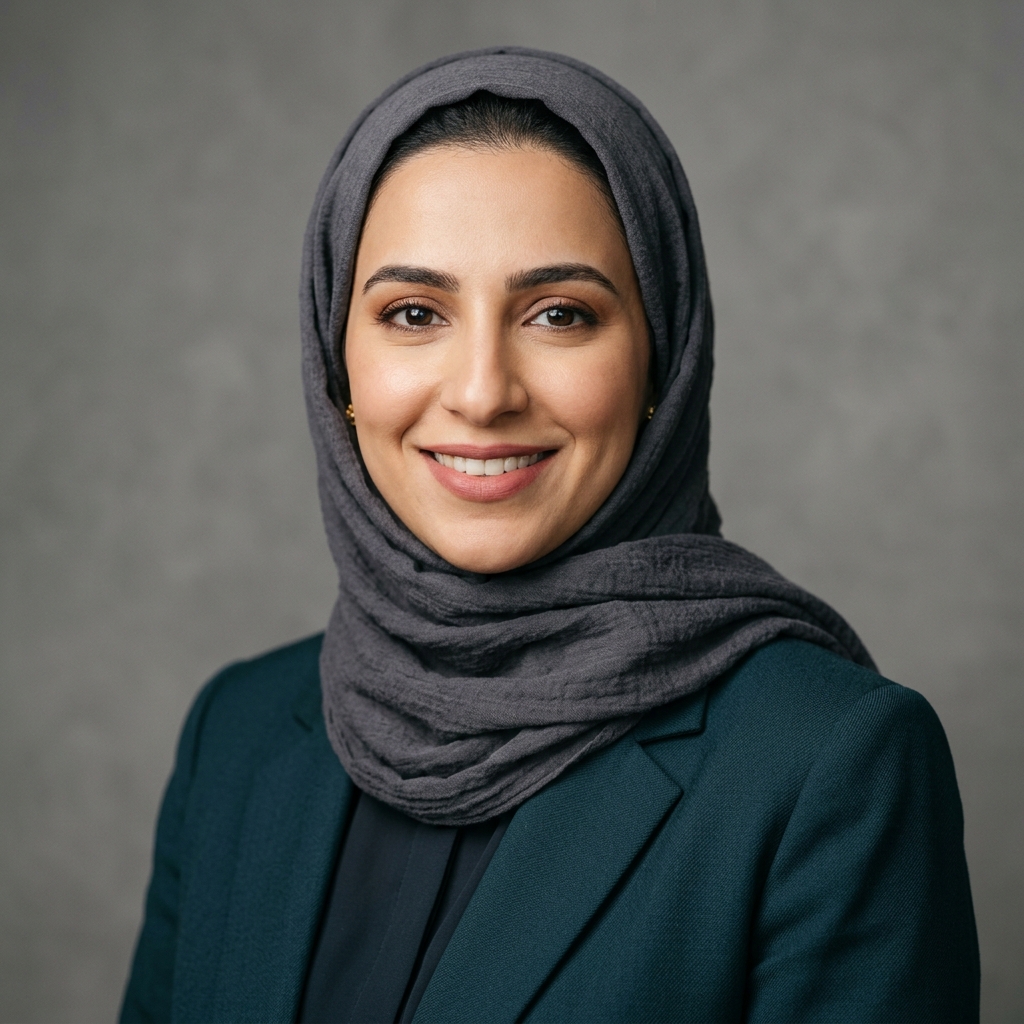
Yasmine Samir
columnist
Technology and culture correspondent covering AI, cybersecurity, and the intersection of Arab heritage with modern innovation. Yasmine holds a degree in Computer Science from Cairo University and has reported on tech ecosystems across the Middle East and Silicon Valley.


