How is World Cup 2026 Testing North American Supply Chains?
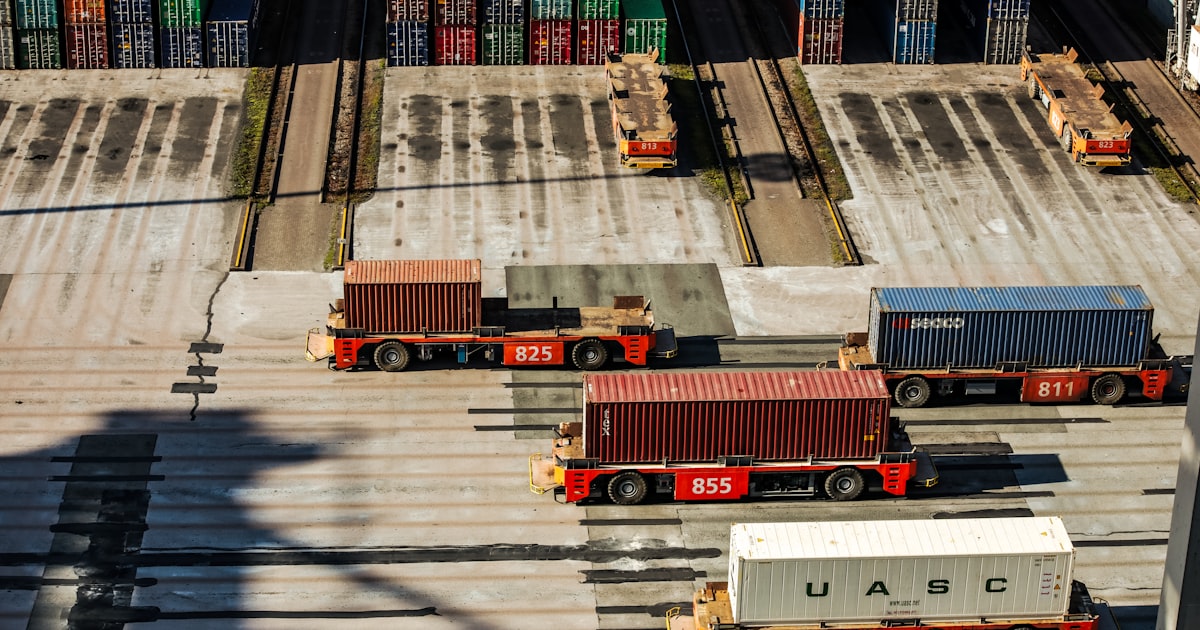
The FIFA World Cup 2026, set to be the largest in history, is already creating significant logistical and supply chain pressures across North America, impacting everything from transportation to retail. This unprecedented tri-nation event is forcing businesses to adapt to what some are calling rolling “mini-peak seasons” in host cities.
Unprecedented Scale and Cross-Border Challenges
With 48 teams competing in 104 matches across 16 venues in the United States, Canada, and Mexico, the tournament presents a monumental logistical undertaking. This expanded format means a constant movement of merchandise, equipment, and food products across borders, all while navigating complex USMCA regulations.
Logistics providers are facing immense pressure. For instance, Rock-it Cargo, FIFA's official logistics partner, is coordinating the movement of over twenty million pounds of equipment, supported by approximately 5,000 vehicles and one million square feet of warehouse space. This scale demands precision, as even small delays can ripple across the entire continent.
Impact on Businesses and Consumers
The World Cup is not just a sporting event; it's a live, multi-city disruption scenario for supply chains, exposing weak points in network design, cross-border compliance, and last-mile delivery. Businesses in retail, consumer goods, food and beverage, and transportation are experiencing consumption spikes that are difficult to forecast, requiring strengthened inventory visibility and real-time responsiveness.
As Jim Bureau, President and CEO of Loftware, explained, “The World Cup is a perfect example of how interconnected global operations have become. There's no room for disconnected processes or inconsistent data.” This means companies need agile, collaborative supply chain ecosystems to ensure products reach shelves and services remain uninterrupted.
What This Means for Egyptian Americans
For Egyptian American business owners, especially those in import/export, hospitality, or retail, understanding these logistical shifts is crucial. You might see increased shipping times or costs for goods moving through North America, particularly near host cities like New York, Los Angeles, or Houston. Planning inventory well in advance and exploring diversified shipping routes could help mitigate potential disruptions.
If you're planning to travel to the World Cup, be aware that increased congestion at airports and land ports is expected due to both fan traffic and commercial shipments. Consider booking travel and accommodation early, and stay updated on any specific customs or travel advisories for cross-border movements between the host nations.
📋 Sources & References
- Kenco — details on supply chain disruption and economic impact.
- Miebach Consulting — insights into logistics and retail challenges.
- Loftware — expert commentary on supply chain complexity and collaboration.
- The Rock-It Company (via YouTube) — interview on FIFA 2026 logistics.

correspondent
Sports journalist dedicated to Egyptian and international football. Omar covers the Egyptian Premier League, African football, and the FIFA World Cup. A lifelong Al Ahly supporter, he brings insider knowledge of the MENA sports scene with reporting from Cairo, Doha, and major tournament venues.


