World
4 min read
How US-Iran Deal Opens New Diplomatic Doors in the Middle East
Report
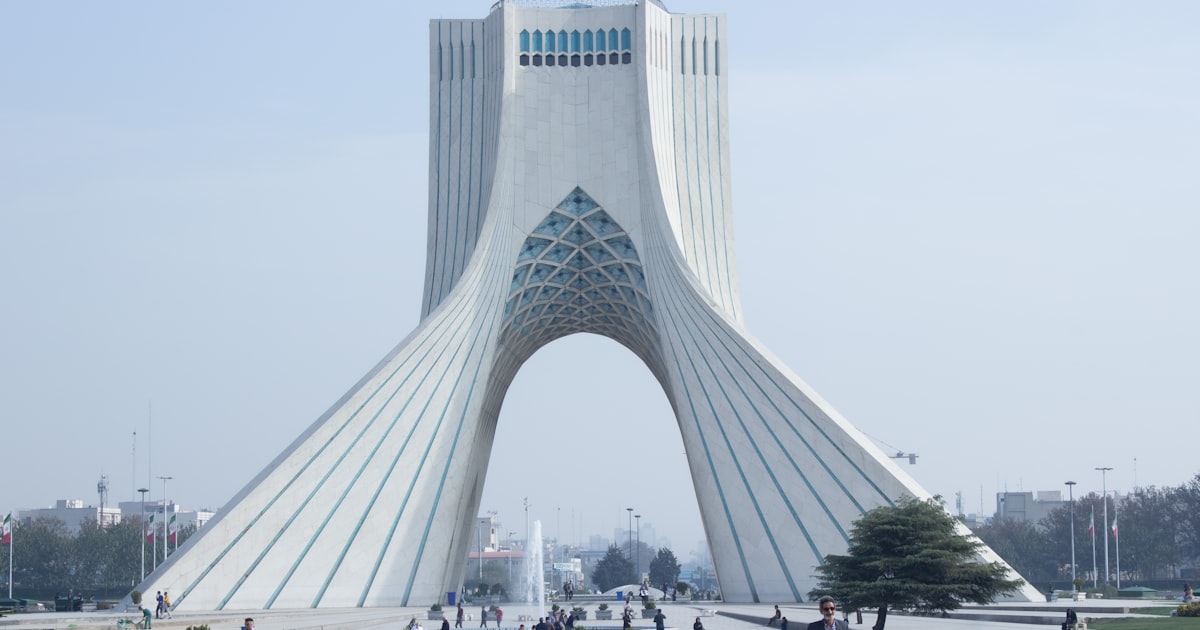
The United States and Iran signed a 14-point Memorandum of Understanding (MOU) in June 2026, a significant step aimed at ending hostilities and establishing a lasting settlement in the region.
📋 What to Know
- The US and Iran signed a 14-point Memorandum of Understanding in June 2026 to end hostilities.
- Gulf states could face a 5.2-8.5% GDP loss due to recent trade disruptions.
- For the first time, Lebanon and Syria participated in US Central Command security talks.
- UN Secretary-General António Guterres called for a "new security architecture" for the Gulf.
Shifting Regional Dynamics
This 14-point MOU, dubbed the Islamabad MOU, commits both nations to negotiate a roadmap for peace after months of conflict that began in February 2026. It aims to convert a difficult stalemate into a diplomatic process, deferring complex challenges to a 60-day negotiation window. The recent conflict has taken a toll on regional economies. Estimates from the United Nations Development Programme (UNDP) suggest that Gulf Cooperation Council (GCC) states could see their Gross Domestic Product (GDP) fall by 5.2 to 8.5 percent due to trade disruptions and energy market volatility. Diplomatic outreach has been intense. Jordan's King Abdullah, for instance, held 47 phone calls with world leaders since the escalation began, reflecting the urgency of containing the crisis. His country has been actively working to stabilize the regional environment. In a notable development, defense officials from Lebanon and Syria joined a US Central Command security meeting in Bahrain for the first time. This regional dialogue, which also included Saudi Arabia, Egypt, Jordan, and other Gulf nations, focused on regional security and ensuring the free flow of commerce through the Strait of Hormuz.Beyond the Battlefield: Economic and Security Stakes
These diplomatic shifts matter because they directly impact the stability and economic well-being of the entire Middle East. The recent US-Iran agreement, if it holds, could pave the way for a gradual recovery in Gulf economies, which have been significantly affected by the conflict. UN Secretary-General António Guterres emphasized the need for a fresh approach, stating, “It’s time to explore a new security architecture for the Gulf based on respect for the sovereignty and territorial integrity of all States, non-interference in their internal affairs and enhanced multilateral cooperation.” This vision highlights a growing recognition that traditional security paradigms may no longer be sufficient.A Path Towards Broader Regional Cooperation?
The trend points towards a complex but determined push for de-escalation and the establishment of new security frameworks. Countries like Egypt and Jordan continue to play pivotal mediating roles, advocating for peaceful solutions and regional stability. Egypt's Foreign Minister Badr Abdelatty affirmed the country's commitment to working with all regional and international stakeholders to contain crises and settle disputes through peaceful means. This period of recalibration suggests that while challenges remain, there's a concerted effort to move beyond conflict towards more integrated and cooperative regional security and economic strategies. The success of these efforts will depend on sustained political will and a shared commitment to dialogue.Impact on Egyptian Americans
For Egyptian Americans, these diplomatic developments in the Middle East have tangible implications. Increased regional stability can mean safer travel for family visits back home and a more predictable environment for potential investments in the region. When the Middle East is stable, it often translates to better economic prospects, which can indirectly benefit your family and community ties. It's crucial to stay informed about these shifts. Egypt, as a key mediator, is actively working to ensure a stable environment, which directly impacts the safety and prosperity of its citizens and the broader Arab world. Understanding these diplomatic efforts helps you make informed decisions about engaging with the region, whether for personal or business reasons.📋 Sources & References
- Middle East Council on Global Affairs — Details on the US-Iran Memorandum of Understanding.
- UN News — UN Secretary-General's call for a new security architecture.
- Arab News — Report on Lebanon and Syria joining US-led military talks.
- Egypt Today — Egyptian Foreign Minister's statements on regional security.
Nour El-Din
editor
Senior political analyst covering the Middle East and North Africa. With over 15 years of experience in international affairs, Nour specializes in U.S. immigration policy, diplomatic relations, and political developments across the MENA region. Previously contributed to Al Jazeera English and Middle East Eye.


